

At some point in the last few years, a certain kind of family started doing something quietly countercultural: they stopped buying things for their home.
Not because they couldn’t afford to. Not because they’d converted to minimalism. Just because they’d looked around one day and realized that more stuff wasn’t making their home feel better. It was making it feel heavier.
Every Object Costs Something
Here’s the part of this conversation that doesn’t get said enough: owning things is work.
Every object in your home needs space, cleaning, and eventually a decision about what to do with it when you’re done with it. It competes for your attention even when you’re not thinking about it. Researchers at Princeton found that multiple stimuli in the visual field compete for neural representation — your brain treats everything it can see as a potential task. A UCLA study found a direct relationship between the number of objects in a home and the cortisol levels of the people living in it. The more things, the more stress — not metaphorically, but measurably.
Homes fill up gradually, object by object, each one feeling like a reasonable addition at the time. The slow home isn’t about purging everything. It’s about getting honest about what things are actually doing in your life.
Buying Less Means Buying Better
When you decide to own fewer things, what you do own starts to matter more.
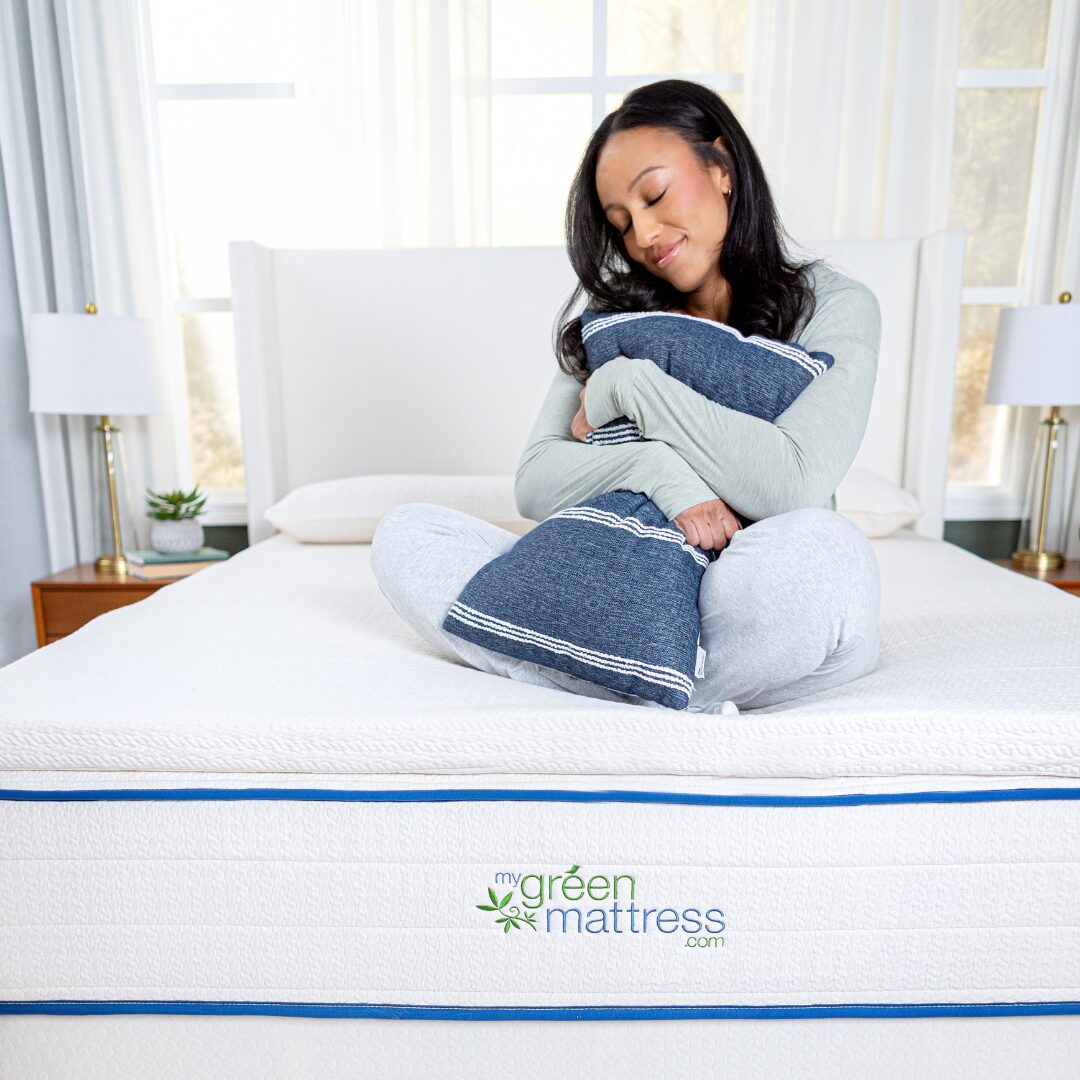
Families operating this way buy for longevity rather than price. They ask different questions: what’s this made of, how long will it last, what happens to it at the end of its life? A mattress built from organic materials with a twenty-year warranty is a slow home decision. So is a set of sheets you’ll have for a decade. None of these things are cheap. All of them are cheaper than buying the same thing three times.
There’s an environmental logic here too. The average conventional mattress ends up in a landfill after seven to ten years. The family that buys one well-made mattress and keeps it for twenty years is, quietly, making a different kind of choice.
What It Actually Feels Like
People who’ve made this shift describe it in remarkably similar terms. Not deprivation. Relief.
The house is easier to clean. Easier to be in. The things that are there feel chosen rather than accumulated. There’s less of that low-grade background noise of objects requiring attention, decisions waiting to be made, things that need to be dealt with eventually.
It turns out that a home with less in it can hold a family more comfortably than one trying to contain everything. That’s not a design philosophy. It’s just what happens when you stop treating your home as a place to put things and start treating it as a place to live.
Find out more about our handmade and long-lasting certified organic mattresses, and how they fit into your home.