

You’ve done the trips, the barbecues, the late nights on the patio. The calendar says summer’s still here, but your body has started sending a different message: tired in a way a good night’s sleep doesn’t quite fix, distracted, a little frayed at the edges.
Here’s the reframe: August isn’t summer’s last hurrah. It’s the transition month. And how you spend it quietly sets the tone for everything that comes after.
Why Your Body Feels the Shift Before You Do
Longer daylight hours through the summer months push back the timing of your melatonin release, the hormone that signals it’s time to wind down. Research on circadian rhythms has found melatonin onset can shift roughly an hour later in summer compared to winter, driven largely by extended evening light exposure. Combine that with late sunsets, glowing porch lights, and screens at 9pm, and your brain gets a steady stream of “stay alert” signals right when it should be downshifting.
Then August arrives, and the days start shortening again, even if it doesn’t feel obvious yet. That shift in light exposure nudges your internal clock, and along with it, your energy and sleep timing. It’s part of why so many people describe August as a month where they’re technically still “on summer schedule” but feel off — the light is changing faster than the routine is.
Add in the accumulated toll of a summer built on inconsistent bedtimes, later dinners, more travel, and more socializing, and you get something close to a low-grade version of jet lag.
Why Leaning Into Rest Now Pays Off Later
The instinct in August is often to squeeze in one more trip, one more late night, one more “before summer ends” push. But treating August as recovery time instead of a finish line is the better trade. Sleep researchers have long linked consistent sleep-wake timing to better mood regulation and energy the following day — and a body that’s rested going into September has more capacity to handle the actual transition: school schedules, work ramping back up, routines resetting all at once.
Think of it less as slowing down and more as recalibrating. A few weeks of protecting your sleep now means you’re not starting fall already depleted.
Small Ways to Actually Do This
Start winding down earlier, even by twenty minutes, and keep it consistent. Dim the lights in the evening rather than staying under bright overhead light until bedtime, since that mimics the darkness cue your body needs as days shorten.
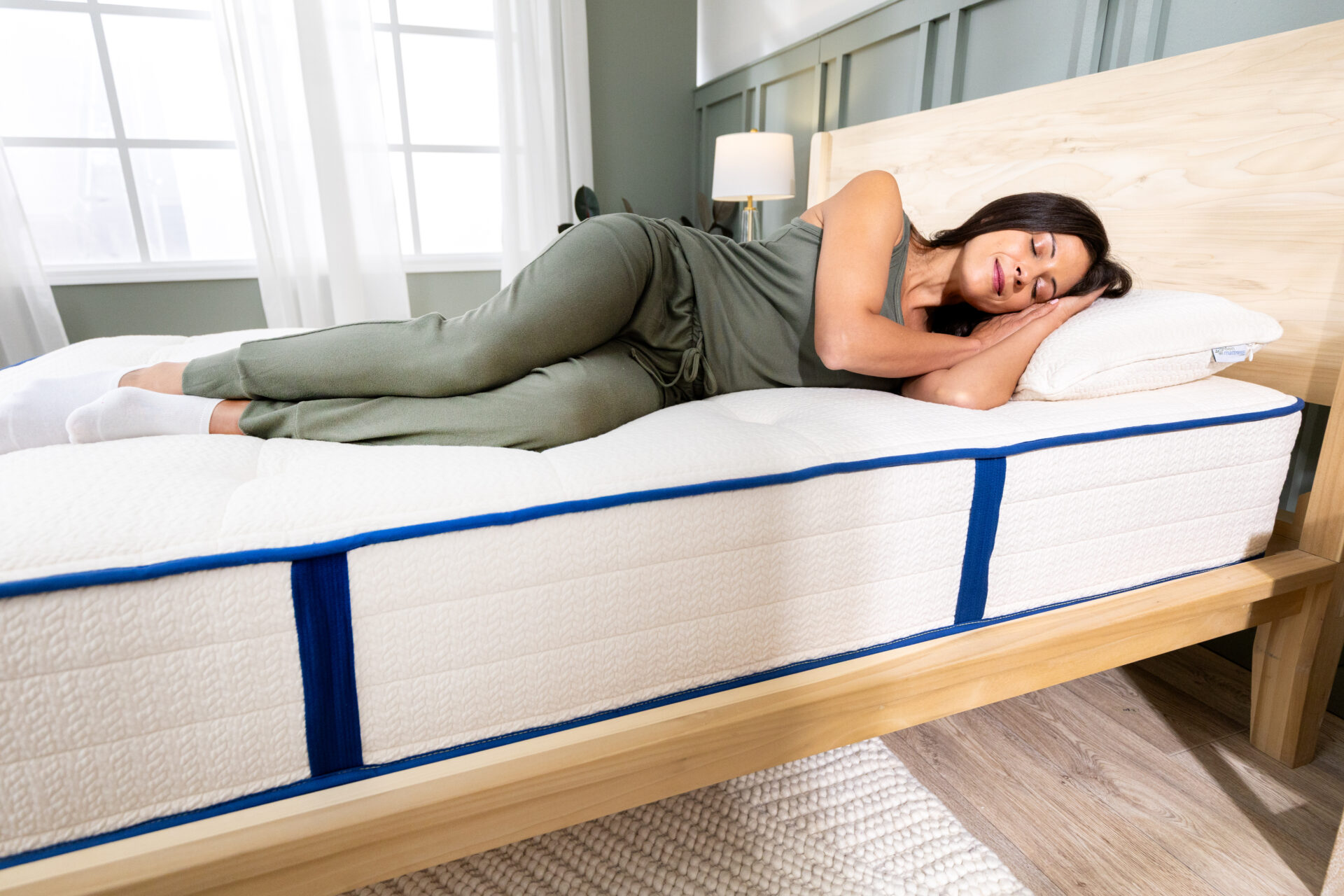
And pay attention to your bedroom itself. If your space still feels like a summer afterthought — too warm, too bright, mattress overdue for a swap — it’s worth addressing before the fall stretch begins. A cool, comfortable, genuinely restful bedroom does a lot of the work for you. My Green Mattress’s organic mattresses, like the Kiwi or Natural Escape, are built to support that kind of deep, uninterrupted rest, without the synthetic materials that can make a room feel less calming than it should.