


A new year brings a natural urge to start fresh, and for many people, that includes fixing a sleep schedule that drifted off course during the holidays. Whether you’ve been staying up late, waking up groggy, or feeling out of sync, the good news is that your body wants to get back on a healthy rhythm. You just need to give it the right cues.
Here’s how to reset your sleep pattern naturally and start the year with more consistent, restorative rest.
Understand Your Circadian Rhythm (and Why It Matters)
Your circadian rhythm is your internal 24-hour clock. It controls when you feel alert, when you feel sleepy, and how well you cycle through each stage of sleep. When routines change — travel, late nights, stress, irregular meals — this internal clock shifts.
Resetting it means giving your brain predictable signals about when the day starts and ends. Once those cues line up again, falling asleep and waking up becomes much easier.
Choose a Wake-Up Time and Stick to It
The fastest way to reset your internal clock is to anchor your wake-up time first. Waking up at the same time every day sets the rhythm for your entire system.
Tips for consistency:
- Pick a time you can maintain seven days a week
- Avoid “catching up” with long weekend sleep-ins
- Get out of bed within 5–10 minutes of waking
Even if you go to bed later than planned, wake up at your target time. Your body will adjust faster this way.
Use Morning Light to Your Advantage
Light is the most powerful circadian cue. Bright, natural light tells your brain it’s daytime, boosts alertness, and helps regulate melatonin at night.
For a stronger reset, get outside within 30 minutes of waking, spend at least 10–15 minutes in natural light, and open blinds immediately in the morning.
If sunlight is limited where you live, consider using a daylight lamp or light therapy box early in the day.
Optimize Your Sleep Environment
Your bedroom should help your internal clock recognize it’s time for rest. A supportive environment makes your sleep reset smoother and more successful.
Focus on:
- A cool temperature (60–67°F)
- Low light and minimal noise
- Breathable, natural bedding
- A clean, clutter-free space
- A mattress that keeps you comfortable and supported
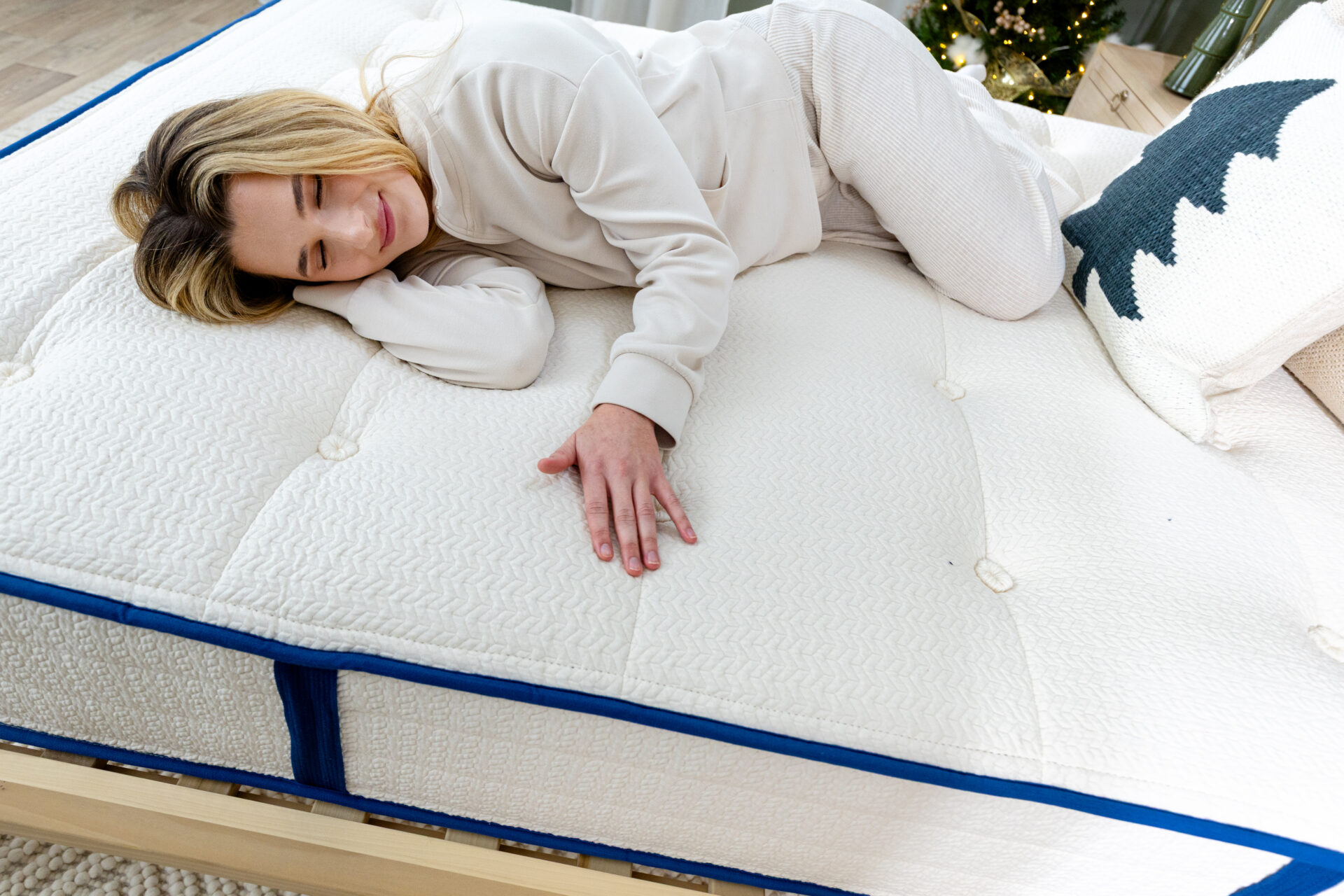
Mattresses made with organic cotton and natural latex promote airflow and maintain steady temperature — two key factors that help your body stay asleep once you’ve reset your schedule. Creating a toxin-free, breathable environment supports deeper rest throughout the year.
Stay Consistent for at Least Two Weeks
Your circadian rhythm can shift quickly, but lasting change takes repetition. Aim to stick to your new routine for 10–14 days. With consistent wake-up times, light exposure, and wind-down cues, your body begins to realign naturally.
Anchor your mornings with natural light, create predictable evenings, adjust bedtime gradually, and give your body a sleep setup that supports comfort and breathability.
With a steady routine and a healthy sleep environment, you can start the year feeling rested, refreshed, and aligned with your natural rhythm — and stay that way long after January ends.