

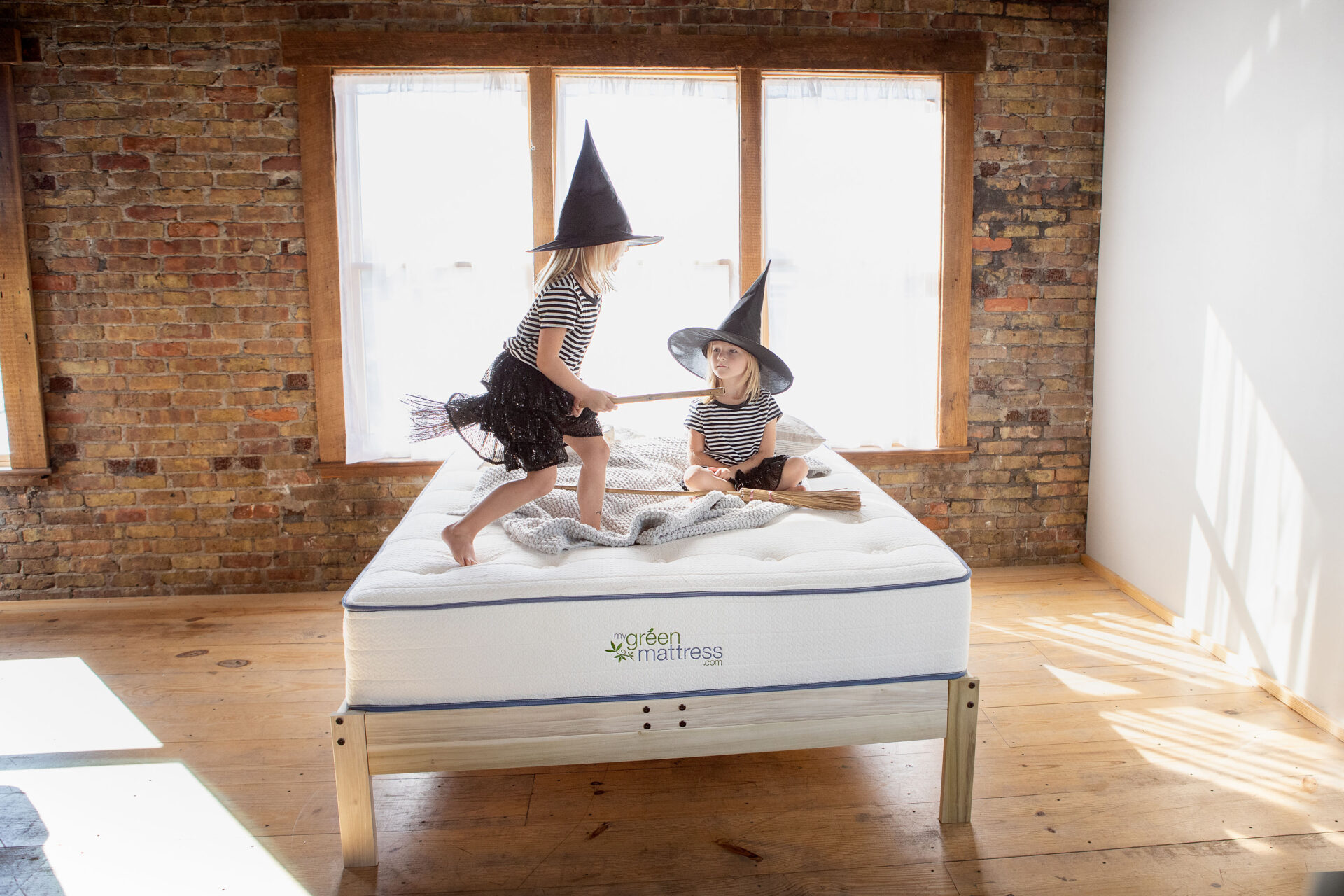
Halloween night usually ends the same way. Your kid is wired at 9:30, still half in costume, sorting candy on the living room floor. The next morning they’re cranky, and by Tuesday you’re blaming the fun-size candy bars.
Sugar usually takes the blame for the rough days after, but this year, the time change adds an early morning on top of that, and you can plan for both.
What sugar actually does to kids’ behavior
Researchers have tested the “sugar high” idea many times. A review in JAMA pulled together 16 controlled studies. In each one, kids got either sugar or a sugar-free sweetener, and nobody in the room knew which. Across those studies, sugar didn’t change how children behaved or how well they thought. The authors did say they couldn’t rule out small effects in some kids.
Parents’ expectations may explain a lot of what we see. In a small study in the Journal of Abnormal Child Psychology, every boy got a sugar-free drink. Some mothers were told their son had just had a lot of sugar. Those mothers rated their sons as more hyperactive and hovered closer to them during play.
A pillowcase of candy still isn’t a good dinner. But if your kid falls apart after trick-or-treating, look at the rest of the night before blaming the sugar.
What really throws off sleep on Halloween
Trick-or-treating means a late night, a crowd, costumes, doorbells and a lot of excitement. All of that pushes bedtime later, and plenty of kids still wake up at their usual time the next morning.
That adds up fast. The American Academy of Sleep Medicine (AASM) recommends 10 to 13 hours of sleep a day for kids ages 3 to 5, and 9 to 12 hours for ages 6 to 12. It also links too little sleep to trouble with attention, behavior and learning. An hour or two lost on Saturday night, followed by an early Sunday, is a lot for a kid to make up.
Daylight saving time ends Sunday, Nov. 1
On Sunday, Nov. 1, clocks fall back an hour at 2 a.m. Your kid’s body clock doesn’t know that. A child who usually wakes at 7 will likely be up around 6 by the new clock time, the morning after a late night.
Plan for an early, tired Sunday. Keep the day calm, and skip scheduling anything big.
How to handle Halloween night and the days after
Serve dinner before you head out. A real meal before trick-or-treating means candy doesn’t end up as dinner. It also gives the evening a normal starting point, even if it ends later than usual.
Go for a normal-ish bedtime on Halloween. Head home at a set time, then give your kid 20 or 30 quiet minutes before bed. A warm bath, dim lights and a book give them time to settle after the doorbell rush.
Keep candy out of the bedroom. Pick a spot in the kitchen for the stash and set a time of day for treats. That way, bedtime isn’t a negotiation over one more piece.
Get outside Sunday morning. The National Sleep Foundation says morning light helps people feel awake and energized. A walk to the park after an early wake-up helps set your kid’s body clock to the new time.
Use the new clock for everything. Serve meals, naps and bedtime by the new time starting Sunday. If your kid is exhausted, move bedtime 15 minutes earlier for a few nights.
Hold the wake-up time steady. The AASM recommends getting up at the same time every day, weekends included. Wake your kid at the usual time Monday, even after a rough weekend.
Make their bed a place they like to be. After a big weekend, a comfortable, familiar bed is part of getting back to normal. Our Pure Eco Organic Kids Mattress is made with GOLS certified organic latex and GOTS certified organic wool and cotton, without flame retardant chemicals, polyurethane foams or fiberglass.
If sleep doesn’t bounce back
Keep bedtime, wake time and meals steady through the week, and let the candy bag slowly empty.
If your child still has trouble falling asleep, wakes a lot at night or seems tired all day long after a couple of weeks, check in with their pediatrician.