

“Organic” feels like a modern word. A label you see on grocery store shelves and skincare packaging and, increasingly, mattress tags.
But the materials behind it aren’t modern at all. People have been sleeping on cotton, wool, and latex for centuries — not because it was a lifestyle choice, but because it was simply what existed. The synthetic era is the anomaly. Natural materials are the baseline.
Here’s how we got here.
It Started With What Was on Hand
For most of human history, mattresses were filled with whatever was locally available and soft enough to sleep on. Straw. Hay. Feathers. Dried grasses. In wealthier households, cotton and wool became the standard — breathable, durable, and naturally resistant to the things that make a sleeping surface unpleasant over time.
Horsehair was prized for centuries as a premium filling. It’s resilient, slow to compress, and remarkably long-lasting. Mattresses stuffed with horsehair were considered an investment — something built to last decades, not years.
Nobody called any of this “organic.” It was just a mattress.
The Latex Moment
In the early 20th century, something genuinely new entered the picture: natural latex, harvested from rubber trees and processed into a resilient, buoyant foam.
Latex changed what a mattress could feel like. It offered support and pressure relief that natural fibers alone couldn’t replicate, and it brought its own inherent advantages — naturally antimicrobial, resistant to dust mites and mold, and extraordinarily durable. A well-made latex mattress from the mid-century era can still be found in working condition today.
For a moment, it looked like natural materials had found their highest form.
Then Came Synthetic
After World War II, petrochemical manufacturing scaled rapidly, and the mattress industry changed with it. Polyurethane foam was cheaper to produce than latex, easier to standardize, and simple to ship. Synthetic fabrics replaced cotton covers. Chemical flame retardants replaced wool.
Within a few decades, the natural mattress had gone from standard to specialty.
The tradeoffs weren’t obvious at first. Synthetic foam felt fine. It was affordable. It was everywhere. But over time, the consequences started to surface — off-gassing chemicals, shorter lifespans, materials that weren’t safe to breathe around and couldn’t be responsibly disposed of.
The industry had optimized for cost. Everything else came second.
The Return to Natural — With Standards to Back It Up
By the late 20th and early 21st century, something was shifting. Consumers started asking questions the industry hadn’t been asked before: what’s actually in this? Is it safe? How long will it last?
The organic certification movement grew out of that scrutiny. GOTS — the Global Organic Textile Standard — created rigorous, independently verified requirements for organic cotton and wool. GOLS did the same for latex. GREENGUARD Gold set chemical emission limits strict enough to certify products for use in schools and hospitals. MADE SAFE went further still.
These weren’t marketing programs. They were a response to decades of the industry operating without accountability.
Where My Green Mattress Fits In
When Tim Masters started making mattresses for his daughter Emily, he wasn’t trying to join a trend. He was going back to something older — the idea that what you sleep on should be made of materials you can trust, built by someone who stands behind them.
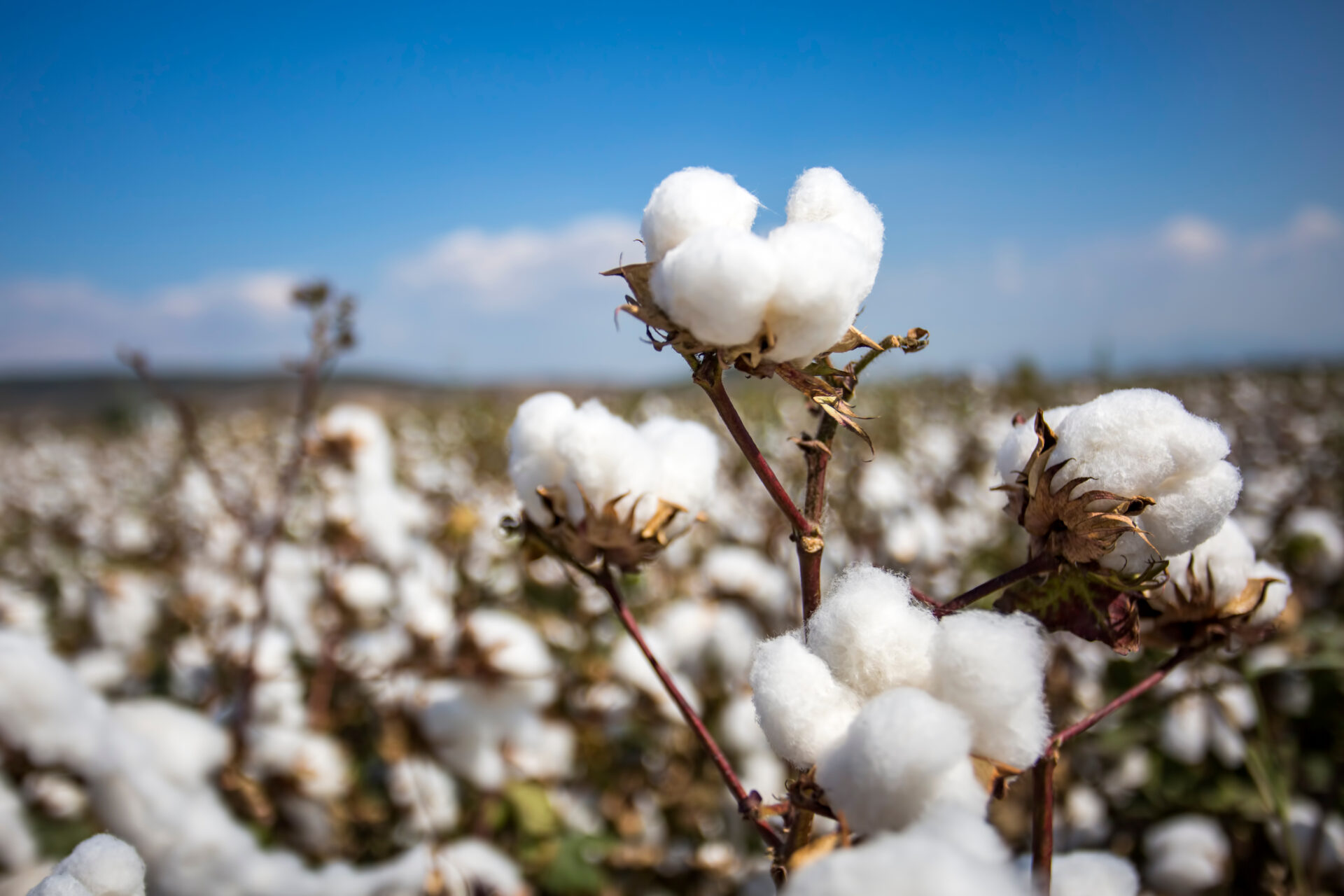
Cotton. Wool. Latex. The same materials people relied on for centuries, now held to the highest independent standards in the industry.
“Organic” may be a modern label. But the philosophy behind it is as old as sleep itself.
Explore our certified organic mattresses at mygreenmattress.com